
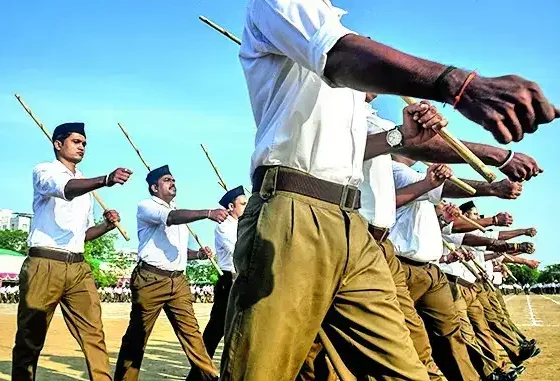

Senior functionaries said these proposals have been prepared by an internal committee, with the final decision to be taken at the Pratinidhi Sabha meeting next year.
Prant System Shift
At the core of the proposal is dismantling the existing prant system. The RSS currently functions through 46 prants, but these are proposed to be replaced by over 90 sambhags, creating a more granular, micro-oriented organisational map. The shift is intended to reduce the distance between leadership and field units, enable quicker decision-making, and ensure tighter local coordination. The number of kshetra pracharaks may also be reduced, with 11 regions likely to be reorganised into nine, flattening the hierarchy while retaining organisational discipline and oversight.
State Pracharak
Another key proposal is the introduction of a state pracharak, replacing the influential prant pracharak. In Uttar Pradesh, six prants may be reorganised into nine sambhags aligned with administrative divisions, enabling more micro-level monitoring and intervention.
Each sambhag would be led by its own pracharak under a single state pracharak. Uttarakhand and Uttar Pradesh could be merged into one region, while Rajasthan may be absorbed into the northern region. Below the sambhag level, the vibhag and district pracharak system will continue unchanged. Sangh offices are operational in almost every district, providing a ready base for granular outreach at the village and mohalla levels.
Social Direction
The six core departments – Prachar, Boudhik, Sharirik, Vyavastha, Sampark and Sewa – will remain unchanged. There is also emphasis on a sharper focus on community work, environmental protection, social harmony and strengthening family values. RSS chief Mohan Bhagwat has repeatedly stressed that pracharaks must maintain austerity, steer clear of power politics, and focus on sustained social transformation rather than immediate political outcomes.
Pracharaks are being encouraged to develop multi-lingual capabilities, while Indraprastha Vishwas Samvad Kendras have been set up across the country to strengthen outreach, coordination, and narrative engagement using modern tools.
Impact on BJP-Sangh Coordination
The new structure is expected to recalibrate how the BJP coordinates with the Sangh. With authority pushed downward, coordination is likely to begin at the district level and move upward, rather than being driven top down, making interactions more localised, pragmatic and issue-based. This recalibration coincides with the BJP’s ongoing leadership transition, suggesting a broader organisational reset on both sides.